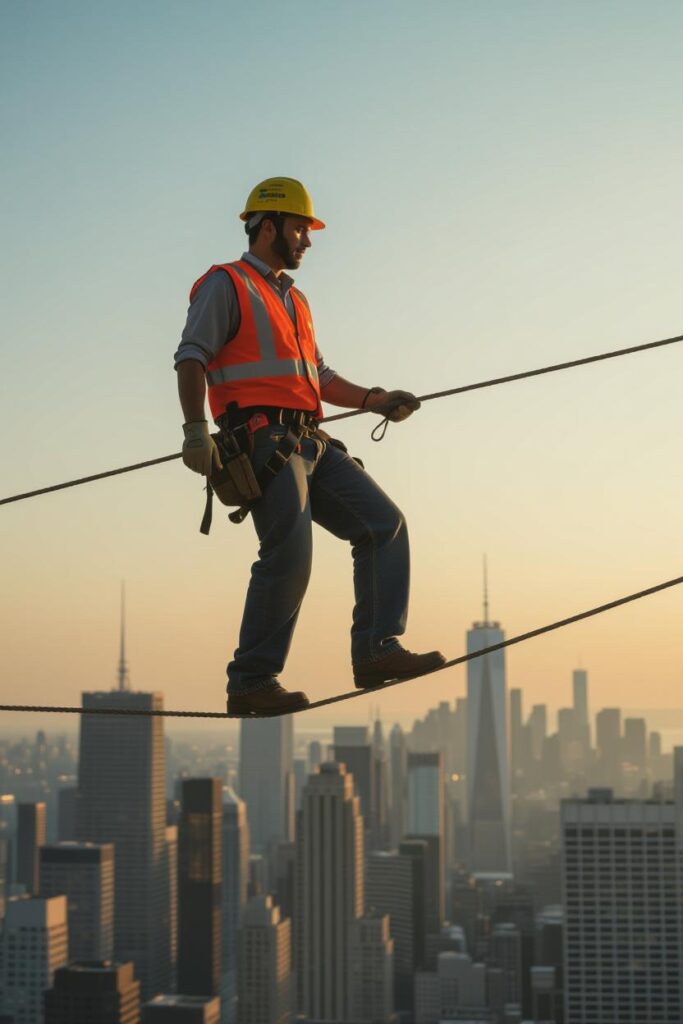
Working at heights is one of the most dangerous activities in South Africa, affecting industries from construction and maintenance to telecommunications and inspections. Falls from elevated positions are a leading cause of workplace injuries and fatalities, creating serious risks for workers and significant liabilities for employers. In this article, we explore the key dangers, South African legal requirements, and practical strategies to keep your team safe and your business compliant.
Why Working at Heights Is a High-Risk Activity
Working at heights remains one of the highest-risk activities in industries across South Africa, including construction, maintenance, telecommunications, and inspection services. It’s not just about building sites—think of teams inspecting cell towers, wind turbines, or other tall structures, often in remote locations with minimal client support.
Falls from elevated positions are a leading cause of workplace injuries and fatalities, posing serious risks to workers and significant liabilities for employers.
Recently, I advised a countrywide inspection company that faced unique height-related challenges. Their teams often worked alone, managing complex risks without on-site support. At AOAL Consulting Services, we helped strengthen their safety systems, ensuring compliance while improving operational efficiency.
Key South African Laws for Working at Heights
South African employers are legally required to maintain safe workplaces for employees working at heights. The main legal framework is the Occupational Health and Safety Act (OHSA) No. 85 of 1993, which mandates proactive risk management and hazard control. Section 8 specifically requires employers to identify hazards, implement controls, and ensure proper training and equipment.
Important Regulations
- Construction Regulations 2014, Regulation 10: Fall Protection
Employers must appoint a competent person to develop a fall protection plan for work at or above two metres. This plan must include risk assessments, worker training, equipment checks, and rescue procedures. - General Safety Regulations (GSR) 6: Work in Elevated Positions
Work at heights is only permitted when it is safe. Use of safety gear, such as harnesses and guardrails, is mandatory.
These laws cover any elevated work where a fall could cause injury, including ladders or rooftops, and extend liability to subcontractors.
Consequences of Non-Compliance
Failing to comply with height safety laws can result in serious consequences:
- Fines and Penalties: Up to R50,000 per violation; serious breaches can exceed R200,000.
- Criminal Charges: Negligence causing injury or death can lead to imprisonment for up to two years.
- Civil Lawsuits: Injured workers or their families can claim under the Compensation for Occupational Injuries and Diseases Act (COIDA) or pursue civil damages.
- Operational Delays: Prohibition notices can halt work until compliance is restored, causing costly disruptions.
- Reputation Damage: High-profile accidents can erode trust with clients and stakeholders.
Real-world examples demonstrate the risks: a South African construction firm faced large fines and compensation claims after a worker fell due to inadequate scaffolding safety. In another case, managers were criminally charged following a fatal fall linked to poor fall protection. Falls account for nearly 40% of construction-related deaths in South Africa, highlighting the urgent need for compliance. Learn more about liability here.
How Employers Can Mitigate Risks
When working with the inspection company mentioned earlier, we found their setup was decent but lacked a tailored fall protection plan suitable for mobile, multi-site operations. At AOAL, we:
- Conducted detailed risk assessments for unique work environments.
- Recommended practical equipment upgrades.
- Delivered customised training compatible with tight schedules.
These measures not only ensured compliance but reduced downtime and increased worker confidence, proving that effective safety management supports business growth rather than hindering it.
Practical Steps to Protect Workers
Employers should adopt a comprehensive height safety strategy aligned with South African laws:
- Conduct Risk Assessments: Regularly evaluate work sites for fall hazards using Department of Labour checklists or one of our resources.
- Implement a Fall Protection Plan: Prioritise hazard elimination, add controls like guardrails or safety nets, and then PPE such as harnesses.
- Provide Accredited Training: Ensure workers receive certified instruction on safe practices and equipment use, with regular refreshers.
- Maintain Safety Gear: Use SANS-compliant PPE and inspect it frequently.
- Enforce Supervision: Appoint competent supervisors to monitor compliance and foster a safety-first culture.
Following these steps not only keeps workers safe but improves productivity and operational efficiency.
External Resources for Working at Heights
For further guidance, these trusted South African resources are invaluable:
- Institute for Work at Height (IFWH) – Training and industry standards.
- NOSA – Accredited safety courses.
- Gravity Training – Height safety solutions.
- Department of Employment and Labour – Official guidelines and compliance tools.
AOAL’s Resources to Stay Compliant
At AOAL, we provide practical tools to help businesses comply with height safety regulations. Access checklists, fall protection plan templates, and compliance guides designed specifically for South African operations.
Protect Your Workers and Business
Preventable accidents should never compromise your workers or business. Ensure compliance with South African height safety laws today. Contact AOAL for expert training, risk assessments, or equipment solutions tailored to your operations. Protect your team and your business—start now.
🔗 Useful AOAL Links:
- Safety Consulting Services
- AOAL Resources
- Contact Us to book your compliance consultation